
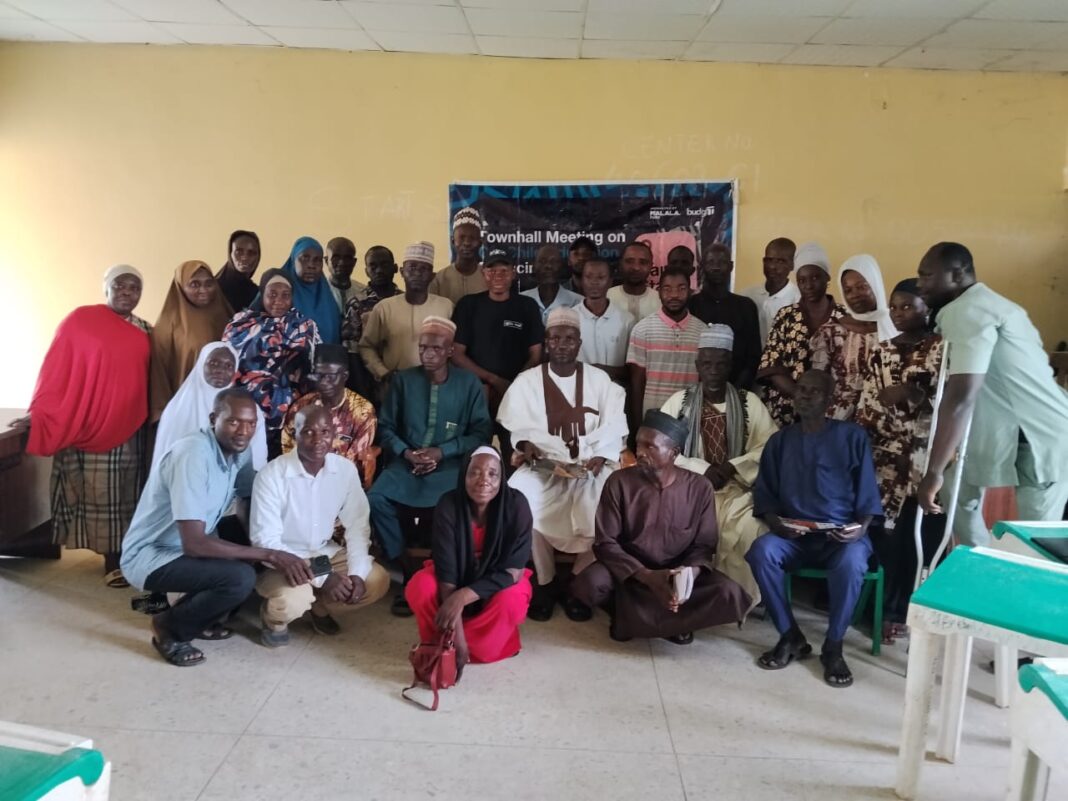

BudgIT Strengthens Community Engagement for Girls’ Education Financing in Bauchi State
By Ahmad Dauda and Bashir Aliyu
Town hall meeting and SBMC engagement highlight urgent infrastructure gaps, declining enrolment, and the need for increased investment in girls’ education at Government Day Secondary School, Gwallameji.
Every community has priorities. Every citizen has a voice. And meaningful development begins when those voices are heard.
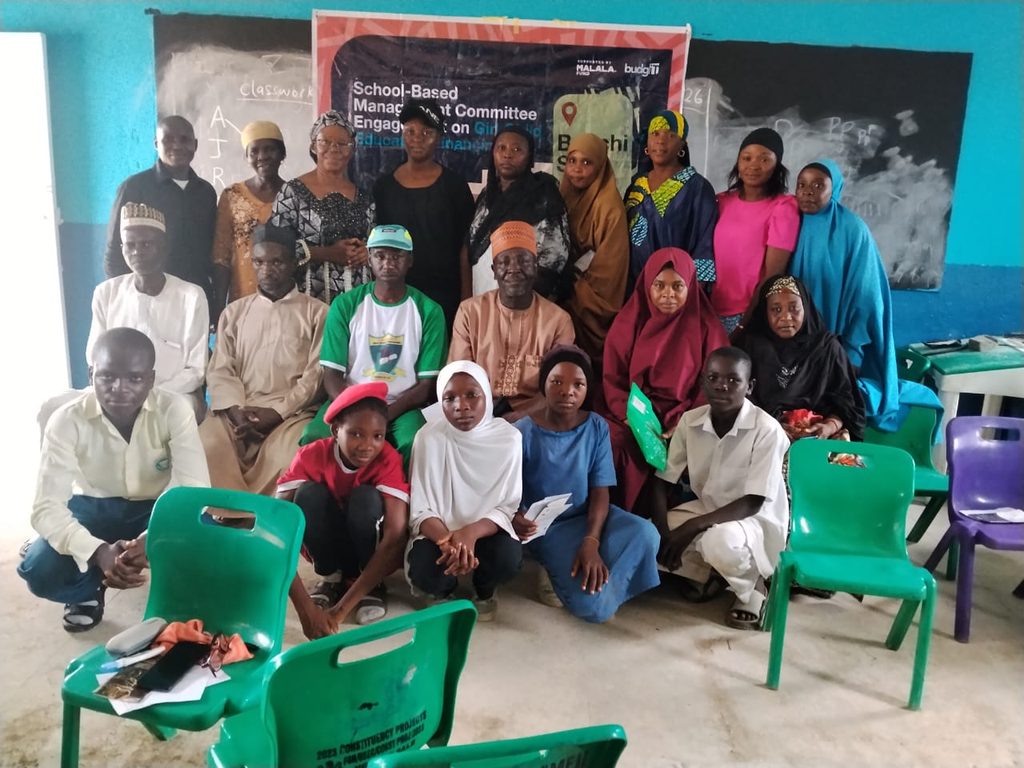
A town hall meeting and School-Based Management Committee (SBMC) engagement organised by BudgIT Foundation, with support from the Malala Fund, has highlighted critical challenges affecting girls’ education at Government Day Secondary School, Gwallameji, in Bauchi Local Government Area of Bauchi State.
The engagement identified dilapidated school infrastructure, inadequate funding for girls’ education, insufficient classrooms and furniture, poor water supply and sanitation facilities, declining female enrolment, and an increasing number of out-of-school children as major barriers to access to quality education.
Other concerns raised included the absence of perimeter fencing and adequate security, inadequate menstrual hygiene facilities, a shortage of teaching and learning materials, child labour and hawking during school hours, early marriage, and limited awareness among parents and community leaders about the importance of girls’ education.
Government Day Secondary and Primary School, Gwallameji, is a public educational institution located in the Gwallameji community of Bauchi metropolis, near the Federal Polytechnic Bauchi.
The engagement was organised under the Malala Fund-supported girls’ education project implemented by BudgIT to strengthen sustainable education financing, promote accountability, and improve learning conditions for girls across Bauchi State.
The initiative comes at a critical time when sustained efforts are needed to address barriers to education, improve school infrastructure, and expand access to quality learning opportunities, particularly for girls and out-of-school children.
Bringing Community Voices into Education Financing
The town hall meeting brought together traditional and religious leaders, women and youth leaders, community representatives from Angwan Kanawa, Angwan Doka, Birshi Fulani, and Rafin Zurfi, as well as the head of Gwallameji community.
Other participants included representatives of the School-Based Management Committee (SBMC), Parents-Teachers Association (PTA), parents and guardians, persons with disabilities (PWDs), artisans, community-based organisations, the Bauchi State Universal Basic Education Board (SUBEB), and other education stakeholders.
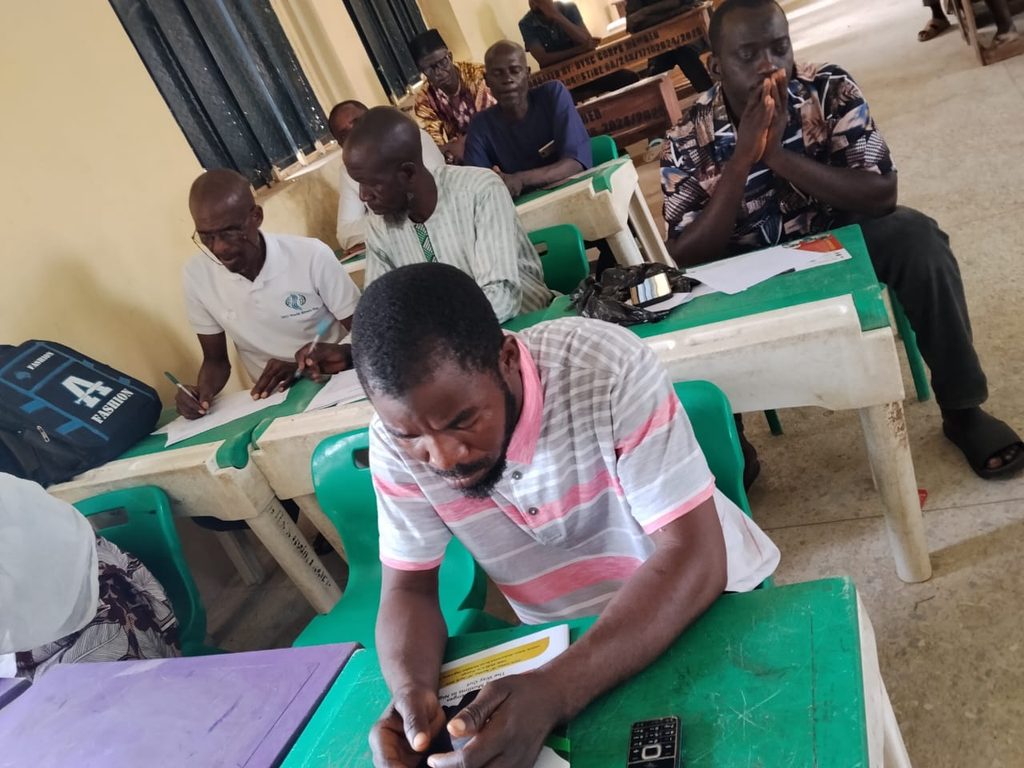
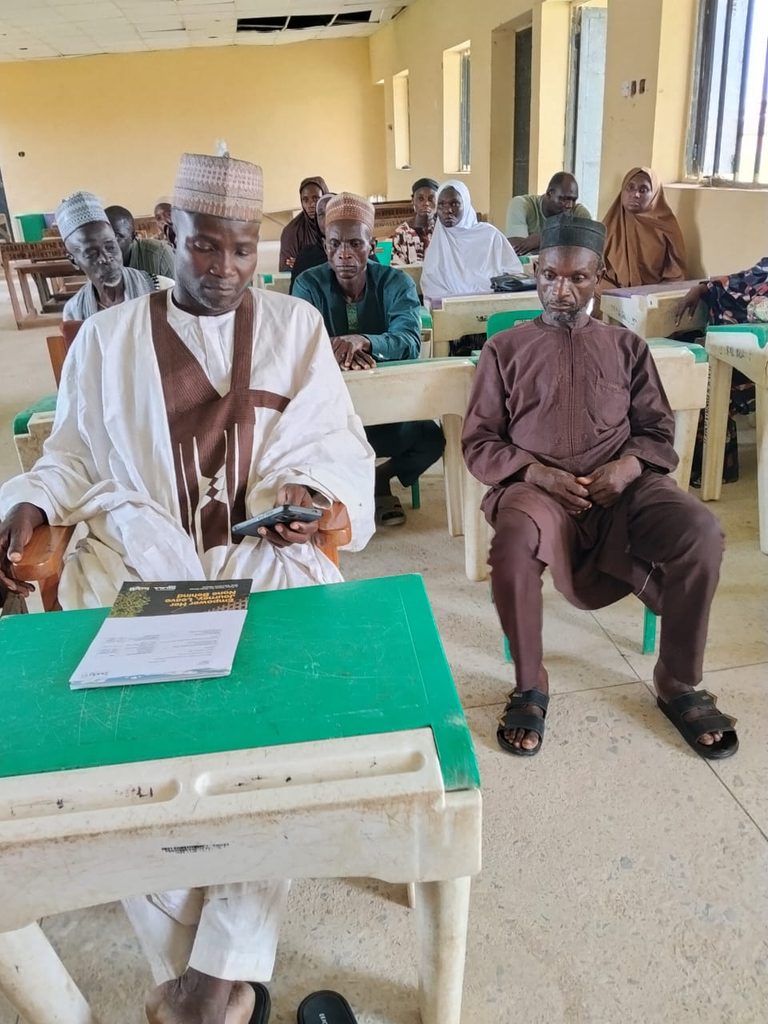
The engagement provided a platform for community members to discuss the challenges confronting the school and advocate for increased government investment in girls’ education.
Discussions focused on the need for adequate budgetary allocations for girls’ education, the construction and renovation of classrooms, improved learning environments, functional water and sanitation facilities, increased enrolment and retention of girls, and measures to reduce the number of out-of-school children.
Participants also emphasised the importance of stronger community participation in identifying educational needs, monitoring public expenditure, and ensuring that government interventions respond to the realities facing students, particularly girls.
School Leadership Raises Concerns over Dilapidated Infrastructure
Speaking during the engagement, the Senior Principal, Mr. Shehe Usman Baltel, highlighted the severe infrastructural challenges affecting teaching and learning at the school.
He identified inadequate classrooms and furniture, collapsed buildings, damaged roofs, and the absence of perimeter fencing and security personnel as major concerns.
According to him, the shortage of classrooms has created difficult learning conditions, with some students forced to sit on bare floors or receive lessons under trees due to insufficient space and inadequate facilities.
He further explained that the lack of adequate classrooms has affected the school’s ability to conduct lessons effectively, sometimes forcing students to close earlier than scheduled, particularly during the rainy season.
The absence of perimeter fencing has also left the school accessible to unauthorised persons, raising serious concerns about the safety of students, teachers, and school property.
Baltel further disclosed that the relocation of female students to a separate learning location, in line with the state Ministry of Education’s policy, has coincided with a continued decline in the number of male students attending the school.
He appealed to the Bauchi State Government to review the situation and consider reintegrating the female students into the school, while ensuring a safe and conducive learning environment for all students.
Teachers Express Concern over Hawking and Out-of-School Children
A teacher at the school, Mrs. Ruth Sule Adamu, expressed concern about students engaging in hawking and other economic activities during school hours.
She called on parents and guardians to take greater responsibility for their children’s education by encouraging regular school attendance and helping them understand the long-term benefits of education.
She also emphasised the need for increased community awareness to address the factors contributing to school dropout and the growing number of out-of-school children, particularly girls.
The concerns raised during the engagement underscore the need for coordinated action by government institutions, parents, traditional leaders, teachers, and community stakeholders to address the social and economic barriers preventing children from accessing and completing their education.
Field Observations Reveal Urgent Infrastructure Needs
During the visit to the school, Ahmed Dauda, the BudgIT State officer in Bauchi observed extensive infrastructural deterioration across several buildings.
The facilities were characterised by damaged or leaking roofs, broken ceilings, missing windows and doors, and a severe shortage of classroom furniture. Some classrooms were in particularly poor condition, leaving students and teachers exposed to harsh weather conditions.
The absence of adequate classroom space has forced some students to learn on bare floors and under trees, undermining their comfort, safety, and ability to concentrate during lessons.
BudgIT also observed inadequate sanitation infrastructure, including concerns about the availability and functionality of toilet facilities.
These conditions highlight the urgent need for comprehensive rehabilitation of the school, including classroom reconstruction and renovation, roof repairs, replacement of damaged doors and windows, provision of desks and chairs, construction of functional toilet facilities, and improved access to safe water.
In addition, the provision of perimeter fencing and adequate security measures is essential to protecting students, teachers, and school infrastructure.
The absence of adequate menstrual hygiene facilities also presents a concern for adolescent girls, reinforcing the need for gender-responsive infrastructure that supports their dignity, safety, attendance, and retention in school.
Community Leaders Call for Immediate Government Intervention
The Head of Gwallameji Community, Sunusi Mohammed Sani, appealed to the Bauchi State Government to urgently intervene in the school’s deteriorating condition.
He described the situation as a pressing concern for students, teachers, parents, and the wider community, particularly given the importance of education in improving children’s future opportunities.
He also expressed concern over the continued infrastructural challenges despite previous promises of government intervention.
Participants subsequently called on the Bauchi State Government, the Ministry of Education, the Bauchi State Universal Basic Education Board, and philanthropists to prioritise the comprehensive rehabilitation of the school.
They stressed that improved infrastructure, adequate teaching and learning materials, functional sanitation facilities, and a secure school environment are essential to increasing enrolment, improving attendance, and ensuring that girls and boys have access to quality education.
Strengthening Community Data for Evidence-Based Advocacy
Beyond infrastructure, the engagement emphasised the importance of reliable school-level data in identifying educational gaps and influencing government decisions on resource allocation.
Participants were encouraged to conduct and document an annual school census to generate accurate, up-to-date information on the total number of students, disaggregated by sex and age; the number of male and female teachers; the number of out-of-school children; and the factors contributing to school dropout and declining enrolment.
The census should also document the major challenges affecting teaching and learning, including classroom shortages, inadequate furniture, sanitation gaps, security concerns, and the availability of teaching and learning materials.
Such information would provide an evidence base for engaging relevant government institutions, strengthening advocacy for appropriate budgetary allocations, and monitoring the implementation of education-related commitments.
Reliable data is particularly important for identifying the specific needs of girls and ensuring that education financing responds to the barriers preventing them from enrolling, attending school regularly, and completing their education.
Community participation in collecting and documenting this information would also strengthen local ownership of education initiatives and improve accountability for public resources allocated to schools.
Advancing Sustainable Financing for Girls’ Education
The town hall meeting and SBMC engagement provided an important platform for stakeholders to identify barriers to girls’ education at Government Day Secondary School, Gwallameji, and discuss practical measures to improve learning conditions.
The engagement reinforced the need for increased and targeted investment in girls’ education, including dedicated budget lines, improved school infrastructure, adequate water and sanitation facilities, gender-responsive learning environments, and stronger mechanisms for community participation in education planning and monitoring.
It also highlighted the importance of addressing the social challenges affecting girls’ education, including early marriage, child labour, and limited awareness among parents and guardians about the value of educating girls.
Sustained progress will require collaboration among government institutions, school authorities, parents, community leaders, civil society organisations, and development partners to ensure that girls have the support and resources they need to remain in school and complete their education.
The engagement forms part of broader efforts to ensure that girls, including adolescent mothers, have improved access to safe, inclusive, and quality education.
Ensuring Community Voices Shape Education Priorities
At BudgIT, we believe that every budget decision should reflect the lived realities of girls and communities across Bauchi State.
Through our engagement with communities, school authorities, and education stakeholders, we seek to strengthen citizens’ participation in education financing, promote transparency and accountability, and ensure that public resources address the most pressing needs of learners.
The challenges identified at Government Day Secondary School, Gwallameji, demonstrate why community voices must remain central to education planning, budgeting, and implementation.
By empowering parents, caregivers, traditional and religious leaders, teachers, and other stakeholders with information and opportunities to participate in advocacy, BudgIT is working to strengthen community ownership of education and promote positive behavioural change.
Every girl deserves the opportunity to learn, thrive, and fulfil her potential. Achieving this requires more than promises: it requires adequate funding, improved infrastructure, sustained community engagement, and accountability for the resources committed to educatio